

The Golden Heritage of Indian Turmeric
For centuries, turmeric has been deeply rooted in Indian culture. From traditional Ayurvedic medicine to culinary traditions, it has symbolized purity, health, and healing. India accounts for nearly 80% of global turmeric production, making it the world’s largest producer, consumer, and exporter of this golden spice.
The country’s diverse agro-climatic zones — especially in states like Andhra Pradesh, Tamil Nadu, Maharashtra, and Telangana — create ideal conditions for cultivating high-quality turmeric varieties such as Erode, Alleppey Finger, and Rajapuri.
Turmeric Export in India: A Growing Global Demand
The turmeric export in India has seen consistent growth over the years due to its increasing application in food, cosmetics, and pharmaceutical industries. Major importers include the USA, UAE, Japan, Malaysia, and the UK, where the demand for natural and organic products continues to rise.
According to trade data, India exports more than 200,000 metric tonnes of turmeric annually, making it a leader in the global spice trade. With growing awareness about turmeric’s anti-inflammatory and antioxidant properties, its use in supplements, herbal teas, and skincare products has skyrocketed.
You Can Read Also: How to Export Turmeric from India: Step-by-Step Guide
Health and Wellness Revolution Driving Demand
One of the biggest factors behind India’s dominance in turmeric exports is the global wellness movement. As consumers worldwide shift toward natural health alternatives, turmeric — particularly in its concentrated form, curcumin — has gained recognition as a “superfood.”
From immunity-boosting drinks like turmeric latte (golden milk) to organic beauty products, Indian turmeric has become an essential ingredient across industries.
Government Support and Quality Standards
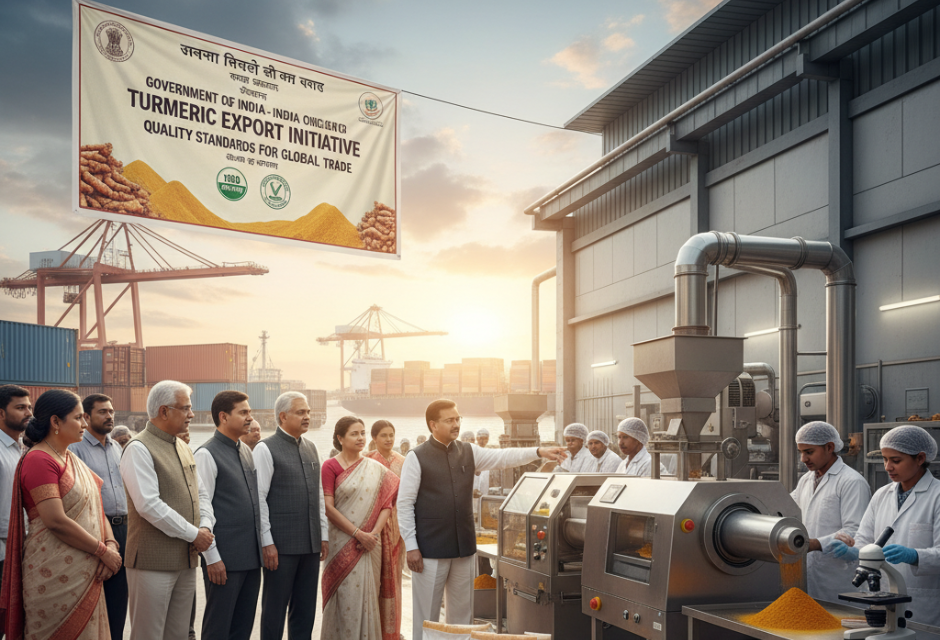
The Indian government and export councils like Spices Board of India play a crucial role in promoting and regulating the turmeric export in India. By implementing quality checks, encouraging organic farming, and supporting exporters with trade fairs and certification programs, they ensure Indian turmeric maintains its superior global reputation.
Moreover, the GI tagging (Geographical Indication) of certain turmeric varieties like Lakadong from Meghalaya adds authenticity and boosts their export value in international markets.
Challenges and the Road Ahead
Despite its global dominance, the turmeric export industry in India faces challenges such as fluctuating market prices, adulteration issues, and competition from countries like Myanmar and Indonesia. However, with innovations in processing, packaging, and organic farming, India continues to maintain its edge.
Sustainable farming practices, improved logistics, and branding Indian turmeric as a premium product will further strengthen its global footprint.