
How to Check Shilajit Quality Before Buying: A Complete Guide

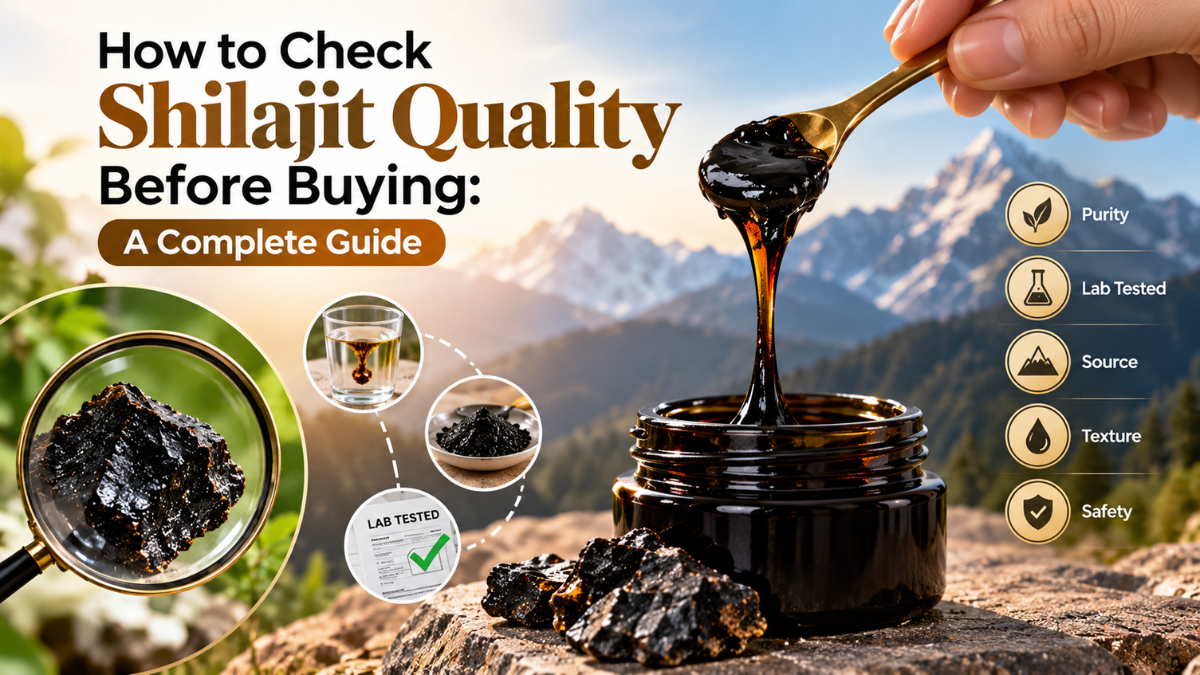
Shilajit has become increasingly popular as a traditional wellness supplement, but with so many products available online and offline, choosing a quality product can be challenging. Not every product labelled “pure Shilajit” necessarily meets the same standards of quality, purity, or testing.
Before buying Shilajit, it helps to look beyond marketing claims and check factors such as sourcing, purification, laboratory testing, ingredients, packaging, and product transparency. Here’s a practical guide to checking Shilajit quality before you buy.
1. Check Whether the Shilajit Is Purified
One of the first things to check is whether the product is purified Shilajit.
Raw Shilajit can contain naturally occurring impurities and contaminants. Traditional purification processes are used to remove unwanted materials before the product is prepared for consumption.
Look for clear information from the manufacturer about the purification process rather than relying only on claims such as “100% natural” or “100% pure.”
2. Look for Independent Laboratory Testing
A quality Shilajit product should ideally have laboratory testing information available.
A Certificate of Analysis (COA) can provide useful information about the product and its testing results. Depending on the product, testing may include:
- Heavy metals such as lead, arsenic, mercury, and cadmium
- Microbial contamination
- Product purity
- Fulvic acid or other relevant compounds
- Other contaminants or quality parameters
If a brand makes testing claims but doesn’t provide meaningful documentation, it’s reasonable to ask the manufacturer directly for this information.
3. Check the Ingredient Label
Read the complete ingredient list before purchasing.
A transparent label should clearly identify what the product contains. Be cautious with products that use vague descriptions or include unnecessary ingredients without explaining their purpose.
If you’re specifically looking for Shilajit resin, check whether the product is actually Shilajit resin or a different form, such as capsules, tablets, or a blended supplement.
4. Pay Attention to the Source
The geographical source of Shilajit can be part of its product story, but simply mentioning a particular mountain range doesn’t automatically establish quality.
Look for brands that provide information about their source and origin, collection practices, purification, processing, testing, and manufacturing standards. A transparent supply chain makes it easier to understand exactly what you’re buying.
5. Check the Texture and Appearance of Shilajit Resin
If you’re purchasing resin, physical characteristics can offer some basic clues, although appearance alone can’t confirm authenticity or safety.
Shilajit resin commonly has a dark, sticky appearance and may change consistency depending on temperature. These characteristics can still vary between products, so don’t rely on colour, smell, or texture as a substitute for laboratory testing.
6. Avoid Products With Unrealistic Claims
Be careful with Shilajit products that make exaggerated claims, such as guaranteed results, instant effects, or suggestions that the product can treat or cure medical conditions.
A responsible supplement brand provides factual product information rather than promising extraordinary health outcomes.
7. Check Packaging and Product Details
Before purchasing, examine the packaging carefully. Look for a batch or lot number, manufacturing date, expiry or best-before date, manufacturer details, ingredient information, storage instructions, appropriate regulatory or licence information, and customer support contact details.
Proper packaging also helps protect resin from contamination and inappropriate storage conditions.
8. Don’t Choose Shilajit Based Only on Price
A very low price can be tempting, but price alone can’t establish whether a Shilajit product is genuine or suitable.
Instead of comparing products only by price, compare their testing, ingredients, sourcing information, purification process, packaging, and transparency. A product with clear documentation gives you more confidence about what you’re actually purchasing.
9. Check the Brand’s Transparency
One of the simplest ways to evaluate a Shilajit brand is to see how much information it actually provides.
Ask where the Shilajit is sourced, how it’s purified, what testing has been performed, whether that testing documentation can be verified, and who manufactures the product. Brands that openly communicate these details make it easier for you to make an informed decision.
10. Consult a Healthcare Professional When Necessary
Shilajit is a dietary supplement, and supplements may not be appropriate for everyone. If you’re pregnant or breastfeeding, have an existing medical condition, take prescription medicines, or are unsure whether Shilajit is suitable for you, consult a qualified healthcare professional before using it.
Also Read :- Top 21 Turmeric Exporters From India (Updated 2026–2027)
Quick Checklist: How to Check Shilajit Quality
Before buying Shilajit, check for:
- Purification information
- Independent laboratory testing
- Heavy-metal testing
- Microbial testing
- Ingredient transparency
- Source and manufacturing details
- Batch and expiry information
- Proper packaging
- Realistic product claims
- Brand transparency
Final Thoughts
Choosing Shilajit should involve more than looking for a product labelled “pure” or “natural.” The most useful approach is to check the product’s testing, purification, ingredients, source, packaging, and manufacturer information before making a purchase.
When shopping online, take time to read the product details and look for evidence supporting the brand’s quality claims. If reliable testing information isn’t available, consider asking the manufacturer for more details before purchasing.
Frequently Asked Questions
How can I tell if Shilajit is genuine before buying it?
Genuine Shilajit typically comes with documentation covering sourcing, purification, and laboratory testing. A Certificate of Analysis and clear ingredient labelling are good signs, while vague claims like “100% pure” without supporting information are worth questioning.
Is dark, sticky resin always a sign of good quality Shilajit?
Not necessarily. While Shilajit resin commonly has this appearance, texture and colour alone can’t confirm quality or safety. Laboratory testing is a more reliable indicator than physical appearance.
What should a Certificate of Analysis for Shilajit actually include?
A thorough COA typically covers heavy metal testing, microbial contamination, product purity, and the presence of fulvic acid or other relevant compounds, giving a clearer picture of what’s actually in the product.
Does a higher price always mean better Shilajit quality?
Not automatically. Price alone doesn’t confirm quality. It’s more useful to compare testing documentation, sourcing transparency, purification process, and packaging across products rather than price alone.
Should I consult a doctor before taking Shilajit?
It’s recommended, especially if you’re pregnant, breastfeeding, managing an existing medical condition, or taking prescription medication. A healthcare professional can advise whether Shilajit is suitable for your specific situation.